
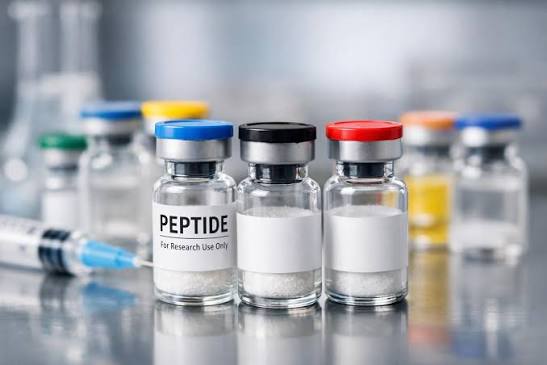
Why Labs Prefer Laboratory Research Peptides in Australia Today
Australian laboratories are under pressure to produce reproducible results, document every input, and stay within a tightly regulated environment. Those demands shape how research teams choose reagents, and peptides are no exception. This post explains why labs favour purpose-made laboratory research peptides, what they look for in a supplier, and how to evaluate Quantified Peptides against those expectations.
Reproducibility Starts With the Reagent
Peptides are used in a wide range of in-vitro work, including receptor-binding assays, cell-signalling studies, and analytical method development. In each case, the result is only as reliable as the material behind it. A compound with unknown impurities or inconsistent content can change outcomes between runs, and that is a costly problem when a study must be repeated or published.
Laboratory-grade research peptides are produced and documented with this in mind. Batch-specific analysis lets a team trace exactly what went into an experiment, which is why documentation is often treated as part of the product itself.
Documentation Labs Expect
Certificates of Analysis (COAs). Labs expect a COA for each lot, showing purity by HPLC and identity confirmation by mass spectrometry. Independent third-party verification adds confidence.
Lot traceability. Lot numbers on the vial and the paperwork allow results to be linked back to a specific batch, which supports audits and internal quality systems.
Defined specifications. Sequence, molecular weight, quantity per vial, salt form, and storage conditions should all be stated clearly, so there are no surprises at the bench.
Compliance Is a Practical Concern, Not a Formality
In Australia, many peptides are scheduled under the Poisons Standard, and the Therapeutic Goods Administration (TGA) oversees therapeutic goods. Institutions typically require researchers to confirm the legal status of a compound before purchase, and procurement teams favour suppliers that label products clearly as for in-vitro laboratory use only.
Reputable suppliers avoid therapeutic or human-use claims entirely. For a lab, that honest labelling is a sign the supplier understands its regulatory responsibilities. Always verify current scheduling on the TGA website and consult your institution’s compliance team when unsure.
Consistency and Supply Reliability
Labs plan experiments around timelines. A supplier that delivers consistent quality, ships within a stated window, and handles cold-chain or temperature-sensitive packaging sensibly saves time and protects budgets. Local availability can also reduce customs delays, which matters in a country where hot summer transit can degrade sensitive materials.
Support That Understands Research
Questions about solubility, storage, salt forms, or documentation come up constantly. Labs value suppliers whose support teams can answer them or supply the relevant data quickly, rather than redirecting to a generic contact form.
How Quantified Peptides Fits In
Quantified Peptides presents itself as a supplier serving the Australian research community. Rather than taking that on faith, labs should assess it the way they would any vendor: request the COA for the exact lot, check for HPLC and mass spectrometry data, confirm research-use-only labelling, and review shipping and returns policies.
Final Thoughts
Labs prefer laboratory research peptides because they offer what research demands: documented quality, traceability, and clear compliance. When choosing a supplier, treat paperwork and transparency as seriously as price. A vendor that welcomes scrutiny is usually one worth working with.